Planning a move in South Hall can feel like a full time job. Whether you are preparing to list your property or hunting for the right home, a clear timeline removes uncertainty and puts you in control of price outcomes, inspections, financing, and closing schedules. This one year plan is built for local realities in South Hall and designed to stay useful year after year as an evergreen guide for buyers and sellers alike.
Start with research month One to Three: local data and priorities. Look at recent sold prices, time on market, and active inventory for the neighborhoods you care about in South Hall. Pay attention to school zones, commute times to your key destinations, HOA rules and dues, and any floodplain or septic considerations that commonly affect value here. Use these insights to set realistic expectations for timeline and price ranges if you plan to sell, or for offer strategy if you plan to buy.
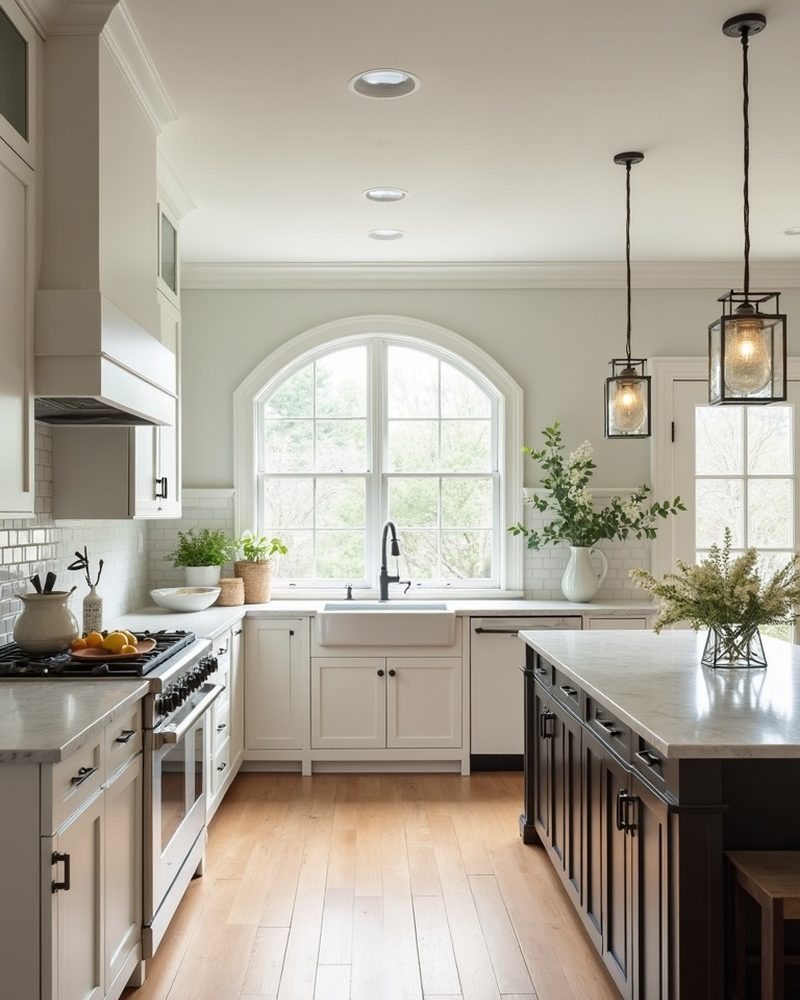
Month Four to Six for sellers: light improvements and cost effective staging. Focus on projects that produce measurable return in South Hall markets. Clean and declutter, address cosmetic issues like paint and lighting, and invest in curb appeal. Replace old hardware, refresh landscaping, and make sure exterior trim and gutters look maintained. Avoid overcapitalizing on specialized upgrades; prioritize neutral, durable finishes that appeal to the largest pool of local buyers.
Month Four to Six for buyers: get finances solid. Lock in a lender and obtain a preapproval that lists the exact loan program you plan to use. In South Hall, speed and certainty of financing often separate winning offers from the rest. Get your inspection funds ready, verify down payment sources, and set non negotiables for neighborhoods and schools so you can move quickly when the right home appears.
Month Seven to Nine: the listing or search ramps up. Sellers should work with an agent who knows South Hall pricing nuances and has a marketing plan tailored to local buyers. That plan should include professional photos, targeted online exposure, and attention to key searchable features buyers use in this area such as acreage, primary bedroom on main level, or finished basement. Buyers should refine search parameters with their agent and be prepared for quick showings. Watch for micro trends like surge in demand for one level homes or properties with home office spaces.
Month Ten to Eleven: inspections and negotiations. Once you have an offer accepted, inspections are where many deals succeed or fail. For sellers, consider a pre listing inspection earlier in the timeline if you want to eliminate surprise repairs during buyer inspections. For buyers, use inspection findings to prioritize safety and long term expense concerns such as roof age, HVAC condition, drainage, and potential septic or well issues unique to older South Hall parcels.
Month Twelve: closing and transition. Coordinate movers, utilities, and final walkthroughs early in the final month. Keep documentation accessible—warranty papers, receipts for recent improvements, HOA covenants, and any permits for renovations. A smooth closing in South Hall often depends on clear communication among sellers, buyers, lenders, and title companies several weeks before the scheduled date.
Evergreen checklist items to revisit throughout the year. Monitor mortgage rate trends and local inventory levels monthly. Reevaluate pricing if your home is on market longer than expected, typically by comparing similar recent sales within a one mile radius and adjusting marketing or pricing strategy. If buying, expand or contract search radius incrementally based on days on market and price per square foot in adjacent neighborhoods to find better value without sacrificing key needs.
Pricing strategy that works here. For sellers, price to attract interest in the first two weeks. Most South Hall sales generate the highest number of showings and offers early in the listing period. For buyers, present clean offers that match market conditions—include preapproval proof, reasonable inspection timelines, and clear communication about your flexibility on closing dates. In tight inventory phases, consider escalation clauses or limited seller concessions tied to local comps rather than arbitrary percentages.
Community signals to watch. School boundary changes, new commercial developments, road improvements, and planned community amenities can shift demand quickly in South Hall. Attend local planning meetings, watch county property tax assessments, and check for upcoming infrastructure projects that might affect commute times or neighborhood desirability. These signals inform whether to buy now or wait and can guide sellers on the best timing to list.
Small investments that matter. In South Hall, strategic upgrades like replacing an aging roof, improving drainage, or creating a flexible home office space often yield better buyer interest than high end kitchen overhauls. Document improvements and permits to reassure buyers about quality and compliance.
If you want a customized timeline based on your specific South Hall neighborhood, home type, and moving goals reach out to local experts who live and work in this market. The Rains Team is ready to help you build a tailored plan, analyze recent comparable sales, or set a realistic pricing and marketing strategy. Call The Rains Team at 404-620-4571 or visit
www.rainsteamhomesearch.com to start a focused, informed approach to buying or selling in South Hall.
A one year roadmap reduces surprises, focuses your budget on the highest return actions, and positions you to act confidently when opportunities arise. Use this plan as a framework and adapt it to seasonal market
