Buying or selling a home in South Hall requires more than guesswork. Whether you are a first time buyer, a move up buyer, or a seller aiming to maximize net proceeds, a strategy grounded in local evidence will deliver better results. This guide breaks down practical, long lasting actions that work in South Hall and helps you turn local data into decisions that matter.
Start with the market pulse not headlines. Local supply, buyer demand, lending costs, and seasonal patterns combine to create real opportunity or risk for a South Hall transaction. In general, lower inventory favors sellers while higher inventory gives buyers room to negotiate. Interest rate changes alter buyer affordability quickly, but neighborhoods with strong school zones, convenient commutes, and thoughtful updates keep value more consistently. Use these factors to shape timing, pricing, and improvements.
Focus on precise pricing strategy. Sellers should work from a current comparative market analysis that reflects active, pending, and recent closed sales in South Hall neighborhoods. Price anchored to similar homes that sold within the last 60 days gives the best signal. For buyers, know the typical list to sale variance in the micro area you want; in some South Hall pockets offers at or slightly above list win, while in other pockets well-priced homes see multiple offers. A tailored CMA prevents overpaying and helps sellers avoid leaving money on the table.
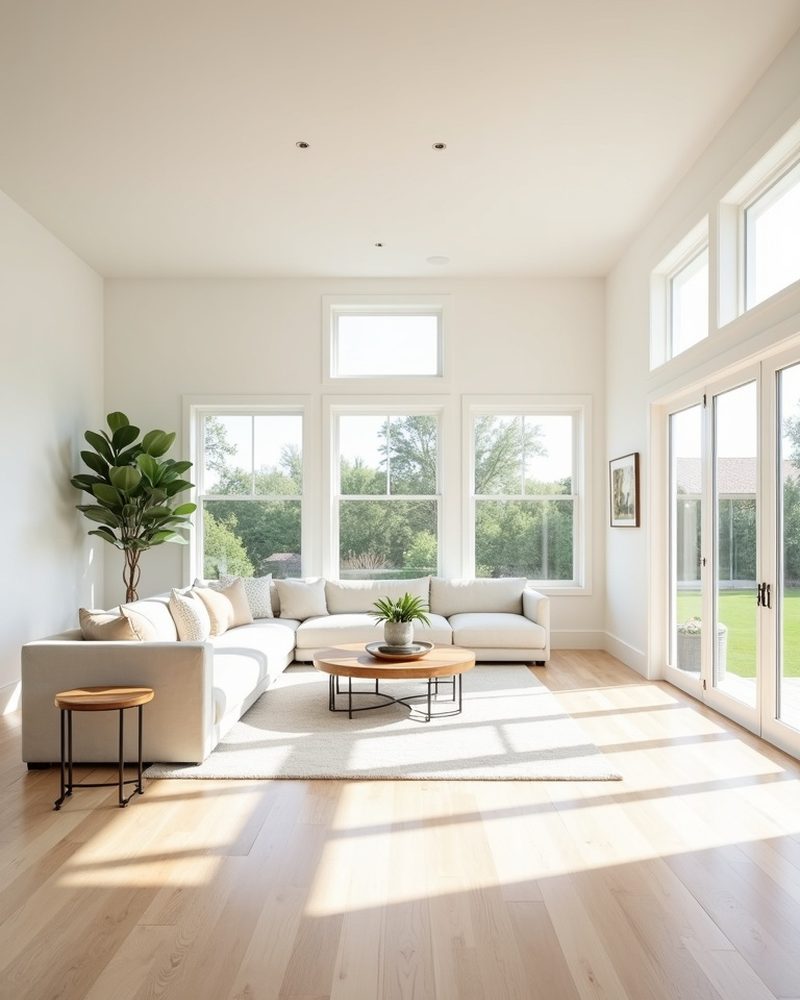
Prioritize improvements that appeal to the majority of South Hall buyers. Today that means clean lines, durable surfaces, and problem free systems. Cosmetic refreshes with high return on investment include neutral paint, updated lighting, modern hardware, and landscaping that boosts curb appeal. Bigger-ticket improvements like kitchens and baths pay when they align with buyer expectations for the neighborhood. Aim for consistency with nearby comps rather than personal design experiments.
Stage for speed and price. Homes that photograph well and show well command more attention from online house hunters. Declutter, depersonalize, and emphasize usable living spaces. For sellers planning to sell during off peak seasons, staging and professional photography can compensate for lower search traffic. Buyers touring listings should visualize spaces with basic staging in mind; it helps assess true potential and avoid costly surprises after purchase.
Inspections and contingencies are negotiation tools. Sellers who proactively address known issues present cleaner offers to buyers and often reduce renegotiation after inspection. Buyers should budget for inspections that include structure, roof, HVAC, and pest to reveal hidden costs. Know which contingencies are standard in South Hall and which can be flexed for a stronger offer without exposing yourself to undue risk.
Leverage timing and seasonal trends for advantage. Spring typically brings more listings and more buyers; pricing a home competitively in spring can generate quicker sales and higher net. Fall and winter buyers are often more serious and can be good negotiation opportunities for sellers willing to price right. Buyers can use seasonal lulls to negotiate repairs, closing credits, or seller concessions.
Make commutes and community fit part of your value equation. Proximity to schools, major employers, and highways is a persistent driver of demand in South Hall. Even as remote work stays part of many lifestyles, homes with flexible spaces for offices, reliable internet infrastructure, and easy local amenities keep resale value strong. Factor commute times, school boundaries, and neighborhood services into both buying and selling decisions.
Use data to shape offers and counteroffers. Track average days on market, list to sale price percentages, and typical seller concessions in your target micro neighborhood. Combining that data with a clear timeline (how quickly you need to move) helps craft offers that are competitive and realistic. Sellers who understand buyer behavior in their specific block can time offers and open houses more effectively.
Checklist for sellers: 1) Get a recent local CMA, 2) Complete high ROI cosmetic updates, 3) Stage and photograph professionally, 4) Pre-inspect or disclose repairs, 5) Price to local demand level rather than wish list. Checklist for buyers: 1) Define non negotiables, 2) Get pre approved, 3) Research recent comps, 4) Schedule comprehensive inspections, 5) Build strategy for contingencies and earnest money.
South Hall real estate is local by nature. If you want a current, customized market snapshot for your street or a plan to sell
