The South Hall real estate market moves on more than just list price and curb appeal. Small, targeted decisions can yield outsized results whether you are buying your next home or preparing to sell. This guide highlights the practical, high-impact choices that consistently win for South Hall buyers and sellers and will remain relevant as local market conditions evolve.
Understand the local signals that matter now and later. In South Hall, buyers look for neighborhood specifics beyond square footage: proximity to schools, quick access to I985 and local employers, lot orientation for sunlight and privacy, and the feel of nearby streets. Sellers should spotlight these details in listings and showings. Mentioning exact school zones, distance to key exits, and nearby amenities can improve listing relevance in search engines and buyer searches.
Price with precision not guesswork. Accurate pricing starts with neighborhood comps but becomes smarter when you layer in days-on-market trends, inventory levels, and the types of properties that are moving fastest in South Hall. Price too high and you lose traffic and bargaining power. Price too low and you leave money on the table. Work with an agent who uses hyperlocal data to set a price that attracts qualified buyers and invites competitive offers.
Stage for lifestyle not just aesthetics. Buyers in South Hall are buying into a lifestyle: school routines, outdoor access, weekend commutes, and entertaining at home. Stage rooms to reflect plausible lifestyles for your likely buyers—kid-friendly, remote-work-ready, or low-maintenance living. Highlight functional upgrades that matter most in our region such as mudroom organization, energy efficient windows, and usable yard space.
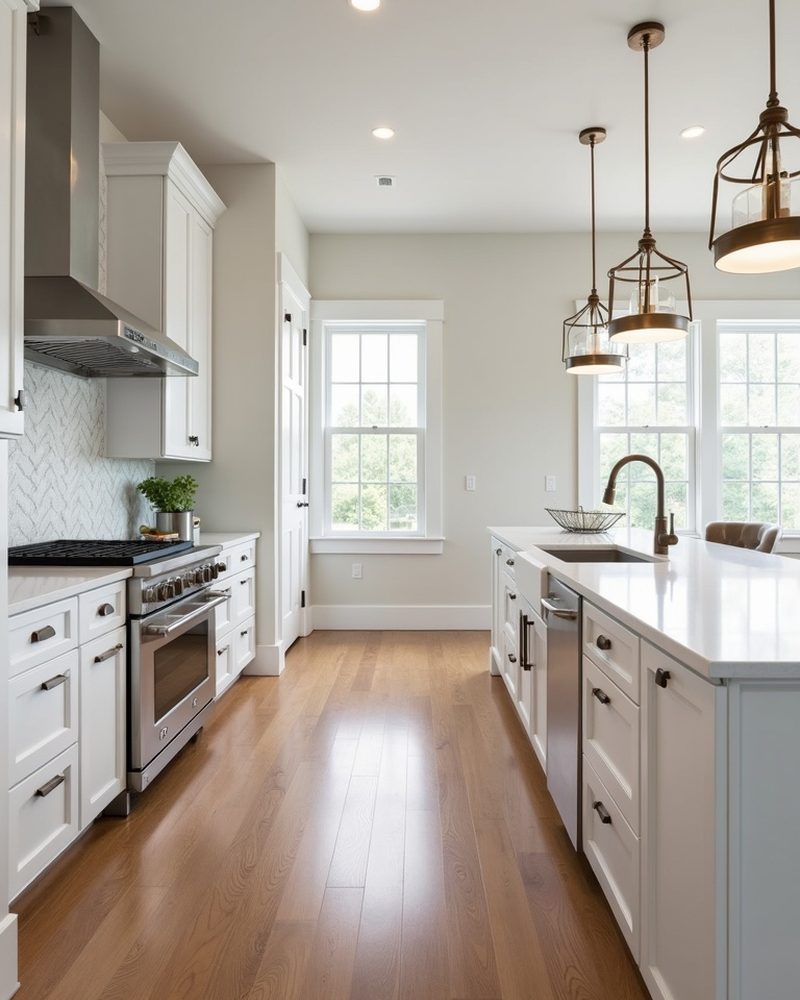
Invest in small improvements that deliver big returns. Not every upgrade is equal. Focus on visible, low-cost repairs and upgrades that reduce buyer friction: fresh paint in neutral tones, updated lighting fixtures, modern cabinet hardware, and clean, functioning HVAC systems. Curb enhancements like mulched beds and trimmed shrubs create immediate value. These moves tend to show up in both faster sales and stronger offers.
Get inspections early to remove surprise friction. Pre-inspections can be a strategic advantage. They help you identify and address issues before they become negotiation leverage for buyers. For sellers, a clear inspection report paired with receipts for completed work builds buyer confidence. For buyers, an inspection adds negotiating clarity—particularly in neighborhoods with older homes or varied lot conditions.
Make your offer stand out with data and flexibility. In competitive South Hall neighborhoods, the strongest offers are often those that combine fair price with flexible terms on closing timelines, earnest money, and contingencies. Use a comparative market data sheet and be ready to justify your offer in a short, factual cover letter. If you need help crafting an offer that wins, reach out to The Rains Team at 404-620-4571 and we can provide tailored market intel.
Understand financing dynamics. Mortgage rates and product availability shape buyer behavior. Buyers should get pre-approved with a realistic budget and understand local appraisal trends so financing surprises are reduced. Sellers who know common buyer financing types in the area can make small concessions—like offering a short appraisal gap allowance—that broaden the buyer pool.
Leverage online presence and neighborhood keywords. When marketing a South Hall property, use targeted language buyers use in searches: specific subdivision names, school zones, commute times, and local amenities. High-quality photos, floor plans, and precise neighborhood descriptors improve search visibility. If you want your listing or search optimized for South Hall buyers, we can help—visit
www.rainsteamhomesearch.com to see current listings and neighborhood guides.
Plan for seasonal patterns and timing. South Hall market activity can vary by season. Spring often brings more inventory and buyer activity; fall can attract motivated buyers and fewer competing listings. Tailor your timeline based on your goals: maximize sale price, speed, or the convenience of coordinating a move.
Keep emotion on a short leash in negotiations. Homes are emotional, but transactions benefit from clear metrics. Use comps, inspection facts, and cost estimates to ground negotiations. Sellers should be prepared for common buyer requests and have a prioritized list of
