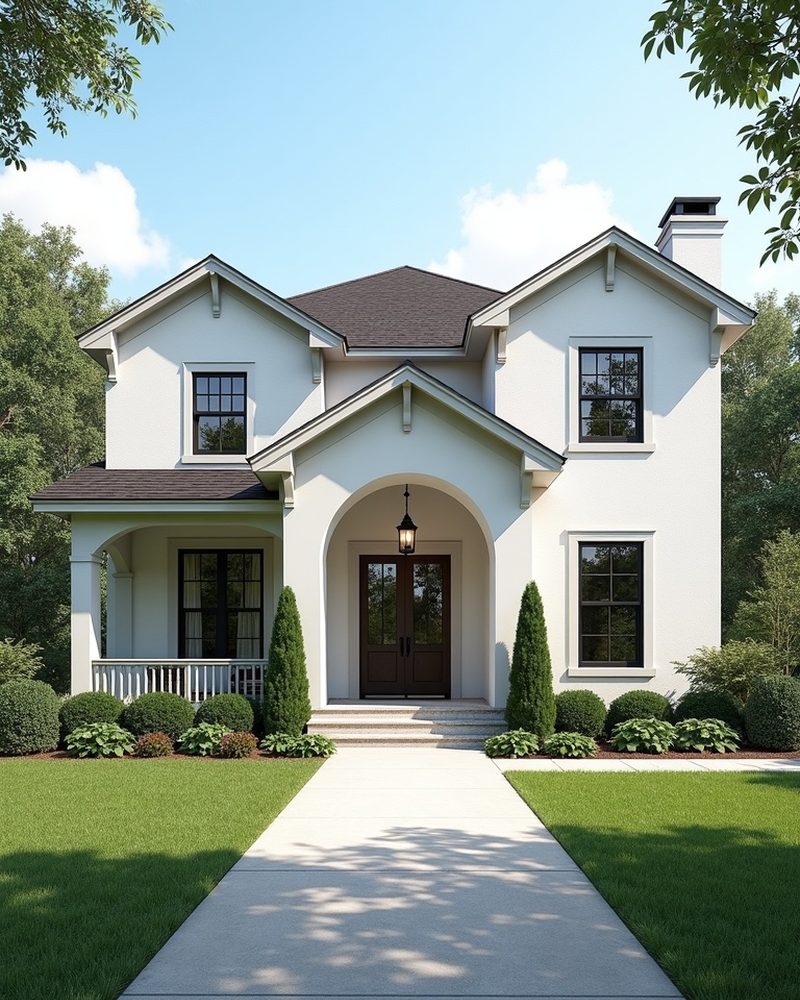
South Hall real estate is shaped less by single big headlines and more by small, local shifts that add up. Whether you are buying your first home, upsizing, downsizing, or selling an investment property, recognizing and acting on micro trends in neighborhoods, pricing, and buyer preferences can make a measurable difference in outcome.
Right now, buyers and sellers in South Hall are responding to a mix of inventory pressures, shifting mortgage sentiment, and lifestyle preferences. That makes hyperlocal insight valuable. For buyers this means looking beyond broad market reports and drilling into days on market, recent sale-to-list ratios, and the trajectory of nearby listings. For sellers it means evaluating which updates will translate to increased buyer interest in your specific block or subdivision rather than investing in broad remodels that do not deliver local value.
For buyers: start with a tight filter. Preapproval from a lender helps you act quickly when a well-priced South Hall home comes up. Prioritize must-haves versus nice-to-haves so you can compete without overpaying for features you could add later. Research comparable sales in the exact neighborhood rather than the entire county to set realistic offer limits. Consider small flexibility on closing dates or earnest money when you find a home that checks your essentials—these local concessions often beat broad price wars in effectiveness.
For sellers: price for the micro market. Buyers compare specific streets and blocks, so a correctly priced home tailored to the immediate competition will attract stronger showings and potentially multiple offers. Invest in curb appeal, professional photography, and a floor plan graphic—these are low-cost items that consistently increase click-through and showing rates online. If you want a head start, a pre-listing inspection can remove buyer hesitation and speed negotiations because it addresses small repairs before an offer.
Condition and presentation matter differently by submarket. In newer South Hall subdivisions with active builders, fresh finishes and smart home features can drive stronger buyer interest. In established neighborhoods, buyers often care more about yard size, mature trees, and school boundaries. Learn which features buyers in your neighborhood value most and highlight those in listings, open houses, and marketing materials.
Timing matters more than most sellers expect. Local seasonality, HOA board cycles, and school calendars affect buyer traffic. Spring remains strong for many South Hall communities, but well-priced homes with good marketing can perform well year-round. If you are buying, paying attention to when similar homes hit the market in the neighborhood will help you anticipate competition and negotiate more confidently.
Financing and appraisal realities also produce micro opportunities. Understanding common appraisal gaps and what local lenders accept for comparable properties gives buyers an edge when structuring offers. Sellers can reduce appraisal risk by compiling neighborhood comps, recent upgrades, and detailed maintenance records to present to appraisers and potential buyers.
For investors and repeat buyers: consider block-level performance. Rental demand, short commute corridors, and proximity to Lake Lanier or community amenities can create higher demand pockets. Track occupancy rates, recent rents, and sales turnover in the exact neighborhoods you are considering. Small shifts in rent or days on market often precede bigger price moves.
Practical checklist to act on these micro trends:
- Buyers: get preapproved, set a firm list of must-haves, study comps within a half mile, and be ready to move quickly on right-fit listings.
- Sellers: price to current neighborhood comps, invest in professional photos and staging where it matters, consider pre-listing inspection, and prepare a factsheet showing recent
