South Hall buyers and sellers often focus on big decisions like price and square footage, but the reality is that small street level choices—lot placement, curb appeal, driveway access, and immediate neighbors—can move a listing faster and change the final sale price. This guide explains which micro decisions matter most in South Hall today and gives clear, evergreen steps both buyers and sellers can use to win in this market.
Start with the local data that never lies. Two quick metrics you should track for any South Hall neighborhood: active inventory and months of supply. Months of supply = current active listings divided by the average monthly closed sales. Under 3 months usually favors sellers, 3 to 6 months is balanced, and over 6 months typically favors buyers. Checking these numbers for specific subdivisions, not just the county, shows where street level advantages are strongest.
Street orientation and lot placement matter more than most think. Homes with deeper front setbacks, larger corner lots, or quieter street ends often achieve higher per-square-foot prices because buyers value privacy, yard usability, and lower traffic. When choosing a house, walk the street at different times—morning commute, after school, and evening—to see actual patterns rather than assume based on photos.
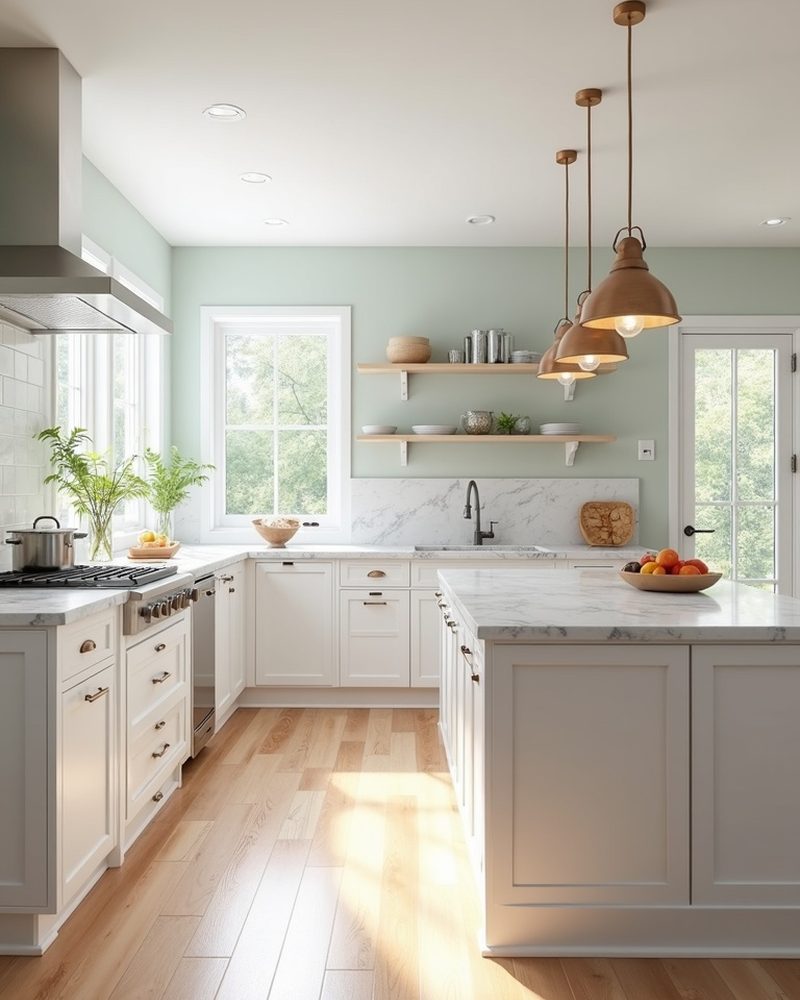
Curb appeal is a high-ROI seller tool. Simple, targeted investments usually outperform large renovations when it comes to time-to-sell and net proceeds. Prioritize these three changes before listing: fresh exterior paint or pressure wash, well-maintained landscaping with clear sightlines to the front door, and clean, updated entry hardware and lighting. These fixes send a consistent first impression to buyers and photographers alike.
For sellers, price relative to proximate comparables determines initial market velocity. Use a short, local comp list: three closed sales in the last 90 days, three active competitors, and two stale listings that failed to sell. That blend reveals what buyers accepted, what they are currently choosing between, and where the market rejected a price. Pricing inside that local context reduces days on market and avoids unnecessary price reductions.
Buyers should come prepared with a game plan that respects local speed. In fast South Hall micro-markets you will win more often when you offer with a clean financing profile, a well-drafted earnest money structure, and reasonable inspection timelines. Strong but sensible offers that respect appraisal realities often beat the highest contingent offers. If cash is an option, structure terms around quick closing and minimal repair requests to stand out.
An inspection strategy can be a deal maker or breaker for both sides. Sellers benefit from a pre-listing inspection to remove surprises and to document maintenance updates. Buyers should use inspection findings for negotiation leverage limited to major systems and safety items rather than minor cosmetic details. This keeps negotiations efficient and focused on true value-impact items like roof, HVAC, foundation, and drainage.
School zones, commute times, and local amenities still drive value. Even when market conditions shift, homes zoned for preferred schools and within easy access to major commutes or recreational amenities hold value more consistently. Evaluate a property for these long-term anchors: school ratings, realistic drive times to work at peak hours, and proximity to groceries, medical services, and parks.
Practical staging and photography choices increase click-through from online searches. For sellers, invest in professional photos and a single, consistent floor plan graphic. For buyers browsing online, pay attention to photo sets that include street views, backyard views, and interior flow shots. These indicate transparency and help you shortlist homes that match real life expectations when you visit in person.
Price per square foot is useful but incomplete. Combine it with days on market, price trend over six months, and the ratio of list-to-sale price to form a clearer picture. To calculate list-to-sale ratio use this formula: final sale price divided by original list price. A ratio above 1.00 often signals competition; under 0.98 suggests buyers had more leverage. Track these figures for your target neighborhood before making offers or listing decisions.
Whether you are buying or selling, assemble the right local team. A South Hall-savvy agent will bring street-level knowledge—what similar homes actually sold for, which streets command premiums, and what small fixes make the biggest difference. If you want an experienced partner who knows these South Hall subtleties, contact The Rains Team at 404-620-4571 or visit
www.rainsteamhomesearch.com to see current listings, neighborhood reports, and tailored advice.
Street level choices win deals in South Hall because buyers buy what they feel and sellers sell what they show. Focus your resources on tangible, local actions: targeted improvements, data-driven pricing, and offers structured for real market conditions. Those choices keep your transaction efficient, predictable, and profitable for years to come.
